What is happening in the Gulf is not a temporary disruption, it is the unraveling of a model that, for decades, defined where global wealth chose to live.
Dubai was never just a city. It was built as a product, one that sold stability, security, and access to the world. For years, that promise held. Investors, institutions, and globally mobile families trusted it as a place where capital could sit safely, grow efficiently, and move freely.
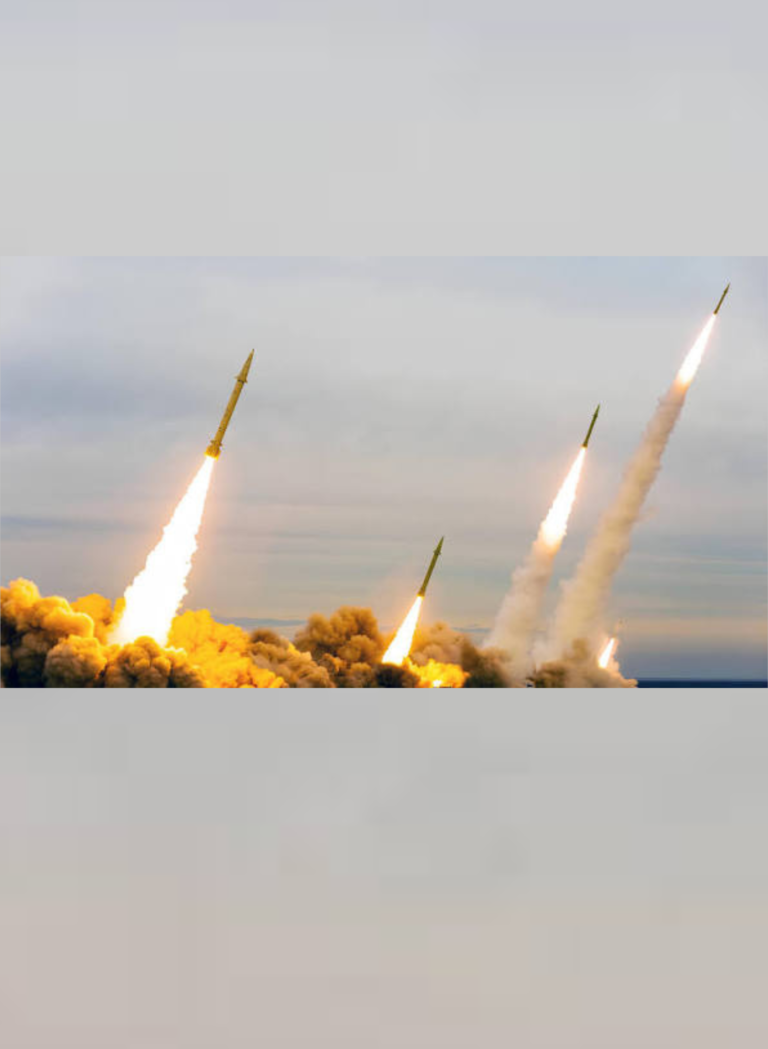
But recent geopolitical tensions have exposed the limits of that promise.
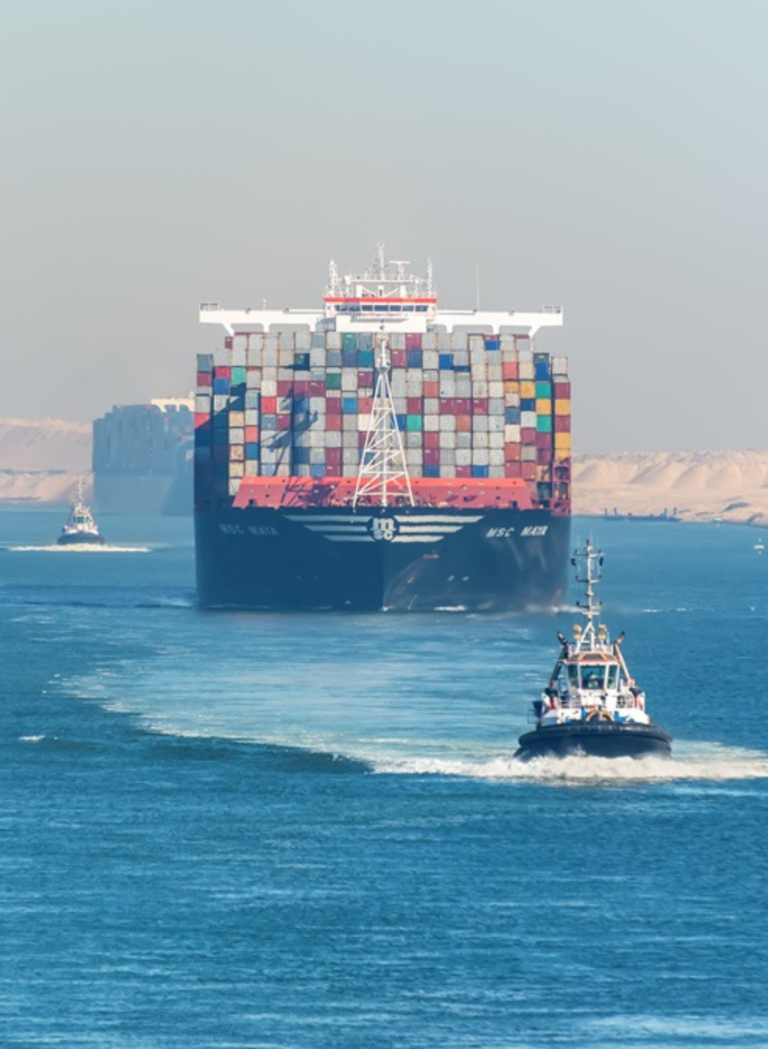
From disruptions to physical infrastructure and air travel to deeper vulnerabilities in digital connectivity, the events unfolding across the region have raised a more fundamental question: what happens when stability itself becomes uncertain?
The answer is already playing out in real time. Wealth is not disappearing, it is relocating. Investors are moving quickly, seeking environments where governance holds, where assets are protected, and where long-term certainty is not dependent on fragile geopolitical balances.
While traditional financial centres are absorbing some of this shift, a larger opportunity is emerging, one that is increasingly pointing toward Africa.
Across the continent, structural fundamentals are beginning to align. A fast-growing population, expanding digital infrastructure, and a central role in the global energy transition are positioning Africa not just as an emerging market, but as a potential destination for long-term capital.
Cities like Kigali, Mauritius, and Cape Town are quietly building the kind of frameworks investors look for, policy consistency, financial depth, and institutional credibility.
But the moment is moving quickly.
Capital is being repositioned now. Digital infrastructure is being rerouted now. And the criteria for what defines a “safe haven” are being rewritten in real time.
The question is no longer whether Africa can play a role in this shift, it is whether it can move fast enough to capture it.